
Turtle Hatching Season Bundaberg: Mon Repos Visitor Guide
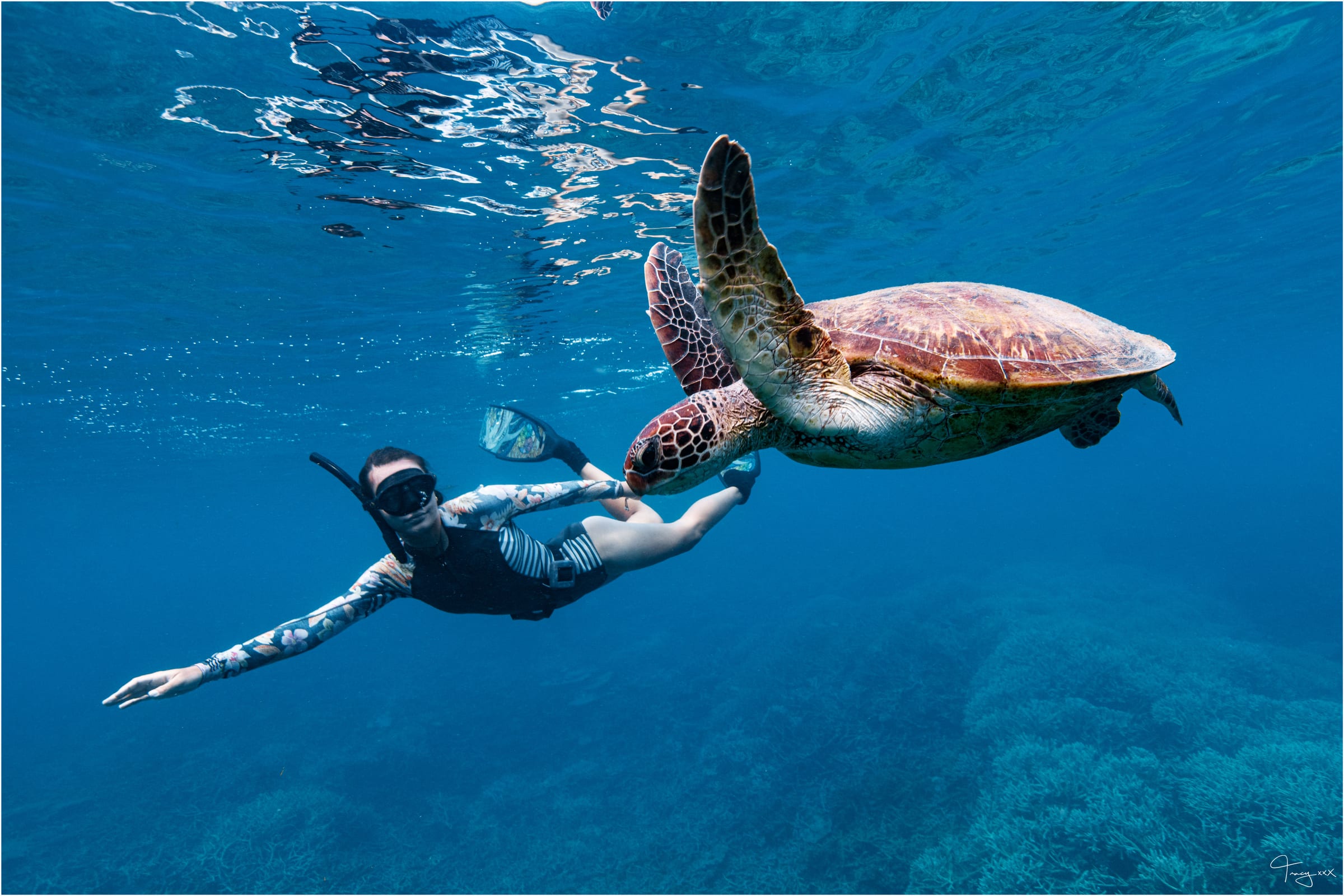
Turtle hatching season at Mon Repos Conservation Park runs January through March each year — the period when loggerhead turtle eggs, laid on the beach from November, complete their incubation and hatchlings emerge to cross the sand to the ocean. The hatching experience at Mon Repos is distinct from the nesting encounter: where nesting involves patient waiting for a single large female to excavate and lay, hatching produces dramatic processions of dozens of hatchlings crossing the beach simultaneously, guided by the moonlight and the ranger-managed encounter programme.
How Hatching Works
Loggerhead eggs incubate for approximately 55 days at Mon Repos. When hatchlings are ready to emerge, the process begins below the sand surface — the hatchlings collectively dig upward through the nest chamber, then emerge at the surface (typically after dark, when sand temperatures have cooled) and crawl toward the ocean. A single nest may produce 50–120 hatchlings. Emergence events are unpredictable; ranger teams monitor nests and programme visitor encounters to coincide with active emergence events.
The Visitor Programme
The Mon Repos Turtle Encounter (November–March) is managed by Queensland Parks and Wildlife. Visitors book through the official Queensland Parks website. Encounters begin at the visitor centre at 7pm; ranger briefings prepare visitors for the beach experience. Groups are escorted to active nest or emergence sites. Red-filtered lighting only — no white torches or flash photography. The programme manages visitor numbers to minimise disturbance; this is a genuine wildlife encounter, not a zoo display.
Hatching vs Nesting — Which Season to Choose
Nesting season (November–January) provides the most dramatic individual encounter: a 150kg loggerhead female excavating, laying, and covering her nest over 90 minutes. Hatching season (January–March) provides the volume encounter: dozens of hatchlings in simultaneous emergence. February is the peak hatching month at Mon Repos — when the November nesting peak translates to incubation completion. Visitors who can only attend once should consider late January or February for the highest probability of witnessing hatching.
Booking Strategy
Mon Repos turtle encounters sell out weeks in advance for peak dates (December through February). Book as soon as travel dates are confirmed — the booking system opens for each season typically in October. Midweek evenings during January and February have slightly better availability than weekends. If an encounter session shows as full, monitor cancellations — short-notice releases are common.
Getting There from Bundaberg
Mon Repos Conservation Park is 15km east of Bundaberg CBD via Bargara Road. The drive is straightforward and takes 20 minutes. The visitor centre has a car park. Rideshare and taxi availability for the late-night return (encounters typically finish between 10pm and midnight) should be confirmed in advance — pre-booking a return trip is advisable.
Burnett Riverside — Turtle Season Base
Burnett Riverside provides the comfortable Bundaberg base the turtle season demands: in-room kitchenette for late-arrival meals, on-site parking, and the flexibility of extended stays across the November–March season. Book directly at burnettriverside.com.au.
The Science of Turtle Hatching
Loggerhead turtle eggs incubate for approximately 8 weeks at Mon Repos. The temperature during incubation determines the sex of hatchlings — a mechanism called temperature-dependent sex determination. Nests incubating above 29°C produce predominantly female hatchlings; cooler nests produce more males. Warmer summers are therefore producing female-skewed cohorts across the Mon Repos population — a trend that has significant implications for the long-term genetic health of the colony. Rangers at Mon Repos discuss this topic openly in the Discovery Centre briefing, providing genuine scientific context for what visitors witness on the beach.
After the Hatchlings Reach the Water
The Mon Repos experience ends when hatchlings reach the water's edge — the programme does not involve following turtles into the ocean. What happens next is the beginning of the "lost years" — the period of 10–15 years that young loggerheads spend in the open ocean, carried by current systems, before returning as juveniles to nearshore reef feeding grounds. Of the approximately 100 hatchlings per nest, survival to adulthood is statistically very low — perhaps 1 in 1,000 to 1 in 10,000. The Mon Repos population's survival depends on protecting both the nesting beach and the feeding grounds at Cape Verde, the Canary Islands, and the Mediterranean where adult females travel.
Combining Turtle Hatching with Other Bundaberg Activities
The Mon Repos evening programme runs from approximately 7:30pm to midnight or later, depending on when turtle activity occurs. The variable end time makes same-evening dining reservations difficult — plan for an early dinner before the session rather than after. The following morning typically suits a recovery start: a 9am Bundaberg Rum Distillery opening tour or a late breakfast at Bargara before an afternoon Lady Musgrave departure (the Lady Musgrave vessel departs at 8am, so a turtle session the night before a reef trip requires managing the late return carefully).
Stay at Burnett Riverside
Burnett Riverside Hotel provides the accommodation base that makes the most of everything Bundaberg has to offer. Every room includes a full kitchenette, the outdoor pool is open year-round, commercial-grade WiFi supports both leisure and work stays, secure undercover parking is included at no extra cost, and on-site management is available seven days a week. The hotel sits on the Burnett River, minutes from the CBD and within easy driving distance of every attraction and destination covered in this guide. Book directly at burnettriverside.com.au for the best available rate with no third-party booking fees or surcharges.