
Best Time to Visit Bundaberg QLD: Month-by-Month Guide
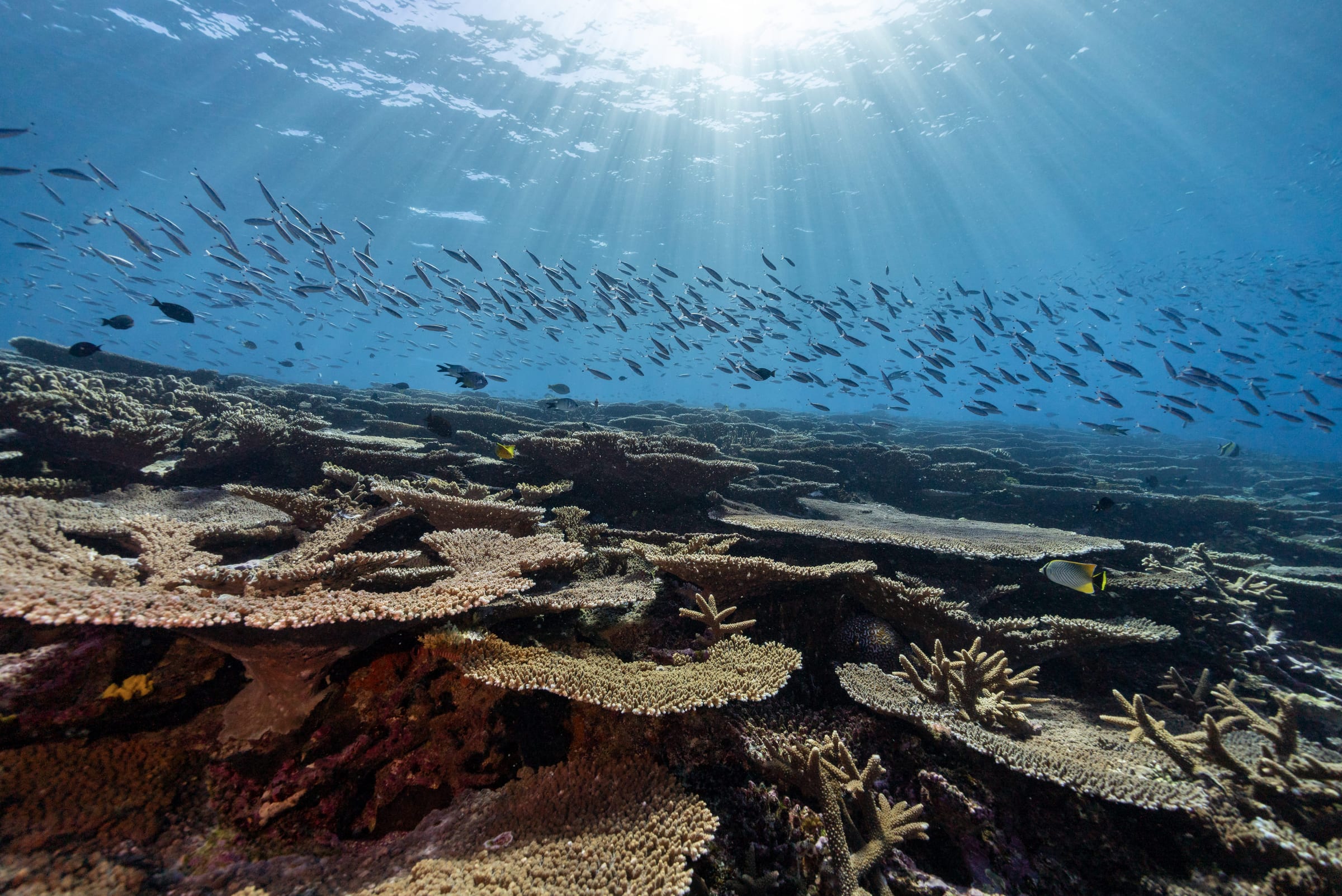
Bundaberg is a year-round destination — the subtropical climate, the reef, the rum distillery, and the agricultural landscape provide compelling reasons to visit in every season. But the timing of the Mon Repos turtle season, the humpback whale migration, the Lady Elliot manta-ray aggregation, and the FOOD Week festival means the visitor who understands Bundaberg's seasonal calendar can design the itinerary that maximises the specific wildlife or cultural experience they seek. This is the month-by-month guide to Bundaberg's seasonal calendar.
November–January: Turtle Season Peak
The Mon Repos nesting season begins in November and peaks in December–January, when the maximum number of nesting loggerhead females emerge nightly and the hatching-emergence programme begins (January). The turtle experience is the Bundaberg drawcard that fills accommodation months ahead — book November–January visits at least 6–8 weeks before arrival. The summer heat (28–34°C) and humidity are the trade-off for the turtle experience; the afternoon reef breezes and the early-morning coolness make the heat manageable. Summer is also cyclone season — check Bureau of Meteorology forecasts.
February–March: Hatching Season
February–March is the hatching-emergence peak — the pre-dawn notifications, the hatchlings to the sea, the full Mon Repos cycle concluding. The summer heat continues; accommodation availability improves as the nesting peak passes. February–March is among the best months for the Lady Musgrave Island reef trip (the cleaner post-cyclone waters, the warmer temperatures, the reduced visitor numbers of the post-summer lull).
April–May: FOOD Week and the Transition
April brings the Bundaberg and District FOOD Week — the regional food festival whose farm-to-table events, producer experiences, and culinary programme concentrate the region's agricultural identity into one week. The timing is ideal: the turtle season has concluded, the heat is fading, and the accommodation availability is high. The autumn transition (April–May) delivers the region's most pleasant weather: 22–28°C, lower humidity, the afternoon sea breeze. May is the first month of the humpback whale migration and the beginning of the Lady Elliot manta-ray aggregation peak.
June–August: The Best-Value Window
June through August is Bundaberg's best-value travel window — the time the experienced visitor knows about and the summer crowds have not discovered. Temperatures of 18–24°C; clear, calm days; the Lady Musgrave reef crossing in its calmest seasonal conditions; the Lady Elliot manta-ray peak; and the humpback whale migration (June–August in Bundaberg's offshore waters). Accommodation rates are at their lowest. The rum distillery, the Botanic Gardens, and the Bargara Beach activities are all available and uncrowded. The visitor who has the flexibility to choose the travel month should seriously consider July as the optimal Bundaberg experience.
September–October: Spring and the Pre-Summer Ramp
September–October sees the temperatures rising towards summer (24–30°C), the whale migration continuing, and the visitor numbers beginning to increase as the turtle-season anticipation builds. October is the month of the Bundaberg Show (the regional agricultural show) and the beginning of the turtle nesting pre-season. Accommodation availability is still reasonable; the October visitor gets the warming weather, the last of the whale migration, and the building excitement of the approaching turtle season at rates that the November–January peak will exceed.
Avoiding the Worst of Summer
The visitor who is heat-sensitive should avoid January (the hottest month, averaging 32°C and often reaching 38–40°C) and February (nearly as hot). The turtle experience is at its peak in December–January, but the visitor who can attend in November (the nesting season's quieter beginning) gets a genuine turtle experience without the extreme heat and the competition for accommodation the December–January peak generates.
Summary: When to Visit for Specific Experiences
Turtles: November–March (peak December–January). Manta rays: May–August (peak June–July). Humpback whales: May–November (peak July–September). FOOD Week: April. Best weather: April–September. Lowest rates: June–August. Best overall balance: July — manta rays, whale watching, ideal weather, lowest rates, reef in calm conditions, distillery and beach available year-round.
Burnett Riverside — Year-Round Accommodation
Burnett Riverside operates year-round with the kitchenette, pool, WiFi, and riverside setting that every season's visitor benefits from. Book directly at burnettriverside.com.au for the rate that reflects the season's availability and the direct-booking savings the platform cannot match.
Avoiding the Worst of Bundaberg Weather
Bundaberg sits at the transition point between the subtropical coast to the south and the tropical coast to the north. This means summer (December to March) brings genuine heat — temperatures regularly reaching 34–38°C — combined with high humidity, strong UV, and the occasional cyclone-related rainfall event as systems move down the coast from the tropics. The heat is tolerable with air-conditioned accommodation and the ability to time outdoor activities for early morning and late afternoon. The worst period climatically is mid-January through mid-February: peak humidity, most consistent heat, and the highest likelihood of afternoon thunderstorms. This coincides, unfortunately, with peak turtle hatching season — visitors who come specifically for hatching accept the heat as the price of admission.
Shoulder Season: The Bundaberg Sweet Spot
April and September–October represent the optimal shoulder season windows. April follows the summer humidity break, coincides with the FOOD Week festival, often catches late turtle hatchings, and offers settled sea conditions for Lady Musgrave day trips. Temperatures sit in the mid-to-upper 20s with low humidity — comfortable for all outdoor activities. September and October bring warming spring temperatures, the peak of the whale watching season (humpback migration peaks August–October), the opening of the new turtle nesting season in November, and reliable dry conditions. Accommodation rates in April and September–October are typically 10–20% below peak summer pricing.
Travelling in July and August
Queensland's winter school holidays (late June to mid-July) and the broader July–August period represent the busiest non-summer travel period for Bundaberg. Visitors from southern Australia seek the mild Bundaberg winter (daytime temperatures 18–23°C, almost no rain, low humidity) as relief from southern winters. Accommodation books out during school holiday weeks — book 6–8 weeks ahead for July travel. August is marginally quieter than July with similarly pleasant conditions and the peak of the whale watching season. The Mon Repos turtle season is closed during winter, but Lady Musgrave Island, Lady Elliot Island, and all other attractions operate normally.
Stay at Burnett Riverside
Burnett Riverside Hotel provides the accommodation base that makes the most of everything Bundaberg has to offer. Every room includes a full kitchenette, the outdoor pool is open year-round, commercial-grade WiFi supports both leisure and work stays, secure undercover parking is included at no extra cost, and on-site management is available seven days a week. The hotel sits on the Burnett River, minutes from the CBD and within easy driving distance of every attraction and destination covered in this guide. Book directly at burnettriverside.com.au for the best available rate with no third-party booking fees or surcharges.